Why we named our AI employees: the philosophy behind Qbiqal's design

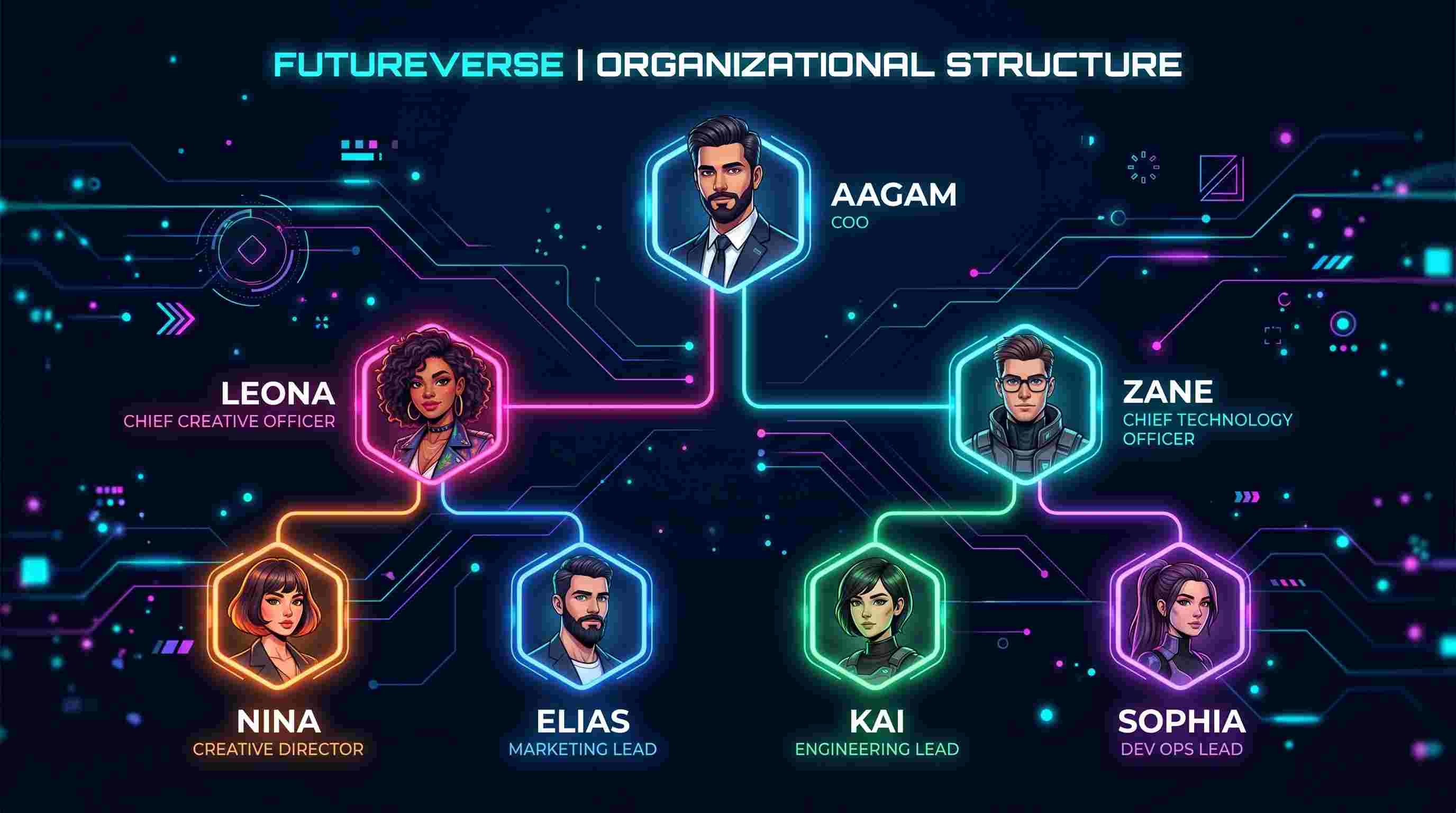
When we first launched the QBIQAL platform, our early system designs looked like most software products: we had pages for "Lead Extractor Tool," "Email Dispatch Script," and "Database Optimizer Job." But as we began dogfooding our own software, we noticed something unexpected: the way our engineers and beta users interacted with these tools was mechanical, clinical, and frequently inefficient. Users treated the AI like search engines—inputting short, disjointed keywords and expecting miracle answers. We realized that to unlock the true potential of generative AI, we had to change the user's mental model. We had to stop building "tools" and start building "colleagues." Here is why naming our AI employees changed everything.
The Psychology of Personification
Human beings are hardwired for social connection. We understand roles, expectations, and collaboration far better than we understand raw database scripts. When a user sees a text box labeled "Query Input," they write like a programmer. When they see a chat window with "Aagam, your Lead Intelligence Specialist," they write like a manager.
Personification shifts the prompt style from transactional commands to contextual delegations. Instead of writing, "Find real estate developers Mumbai," our users write, "Aagam, we are running a campaign for commercial glass fittings. Can you scan the Andheri area for developers working on new office parks, and gather their project leads?"
This change in phrasing provides the Cortex engine with rich, context-aware instructions, resulting in dramatically higher search accuracy and output relevance.
The Specialization Blueprint: Why One Giant AI Doesn't Work
Many companies attempt to deploy a single, general-purpose chatbot to handle everything from legal compliance to marketing copy. This approach leads to context dilution. A chatbot that tries to know everything is mediocre at everything.
QBIQAL's 63 AI employees are built on a modular micro-agent architecture. Each employee has:
• A Dedicated Context Window: Loaded only with the tools, files, and schemas relevant to their specific role.
• Tailored Prompt Packs: Custom system prompts that govern their tone of voice, analytical methods, and output formats.
• Specific Tool Permissions: For example, Leona can view the calendar API, but she has no permission to execute payouts. This micro-agent separation guarantees security and minimizes computational cost.
Inside the Organizational Blueprint
By building the workspace around named profiles, we can represent the AI workforce in a standard organizational structure. Managers can view their org chart and instantly see which AI employees are reporting to which business units:
QBIQAL Org Structure:
├── Marketing Division
│   ├── Aagam (Lead Intelligence Specialist)
│   └── Karan (Outbound Copywriter)
├── Finance Operations
│   ├── Rohan (Invoicing Automation)
│   └── Priya (Tax & Reconciliation specialist)
└── Customer Relations
    └── Leona (Front Desk & Scheduling)
Transparent Logs: Building Trust, Not Black Boxes
Another reason for personification is accountability. In QBIQAL, every action is logged in the Client Command Center under the specific employee's profile. You can click on "Aagam" and see his thinking process, his execution history, and his pending reviews.
If an AI employee makes a mistake, you don't debug code; you "retrain" them by giving feedback directly in the chat interface. The next time Aagam runs his pipeline, he references the feedback log, correcting his behavior just like a human assistant would. This makes the platform accessible to business owners who don't know how to code.
Concluding Thoughts
By designing QBIQAL around named AI employees, we've bridged the gap between complex machine learning pipelines and the everyday workflows of Indian business owners. We are not just building software; we are building the future of collaborative corporate structures.
Deploy AI Workforces in Your Operations
QBIQAL provides robust, compliant, and ready-to-work AI specialists that interface with your booking, sales, and analytics systems seamlessly.